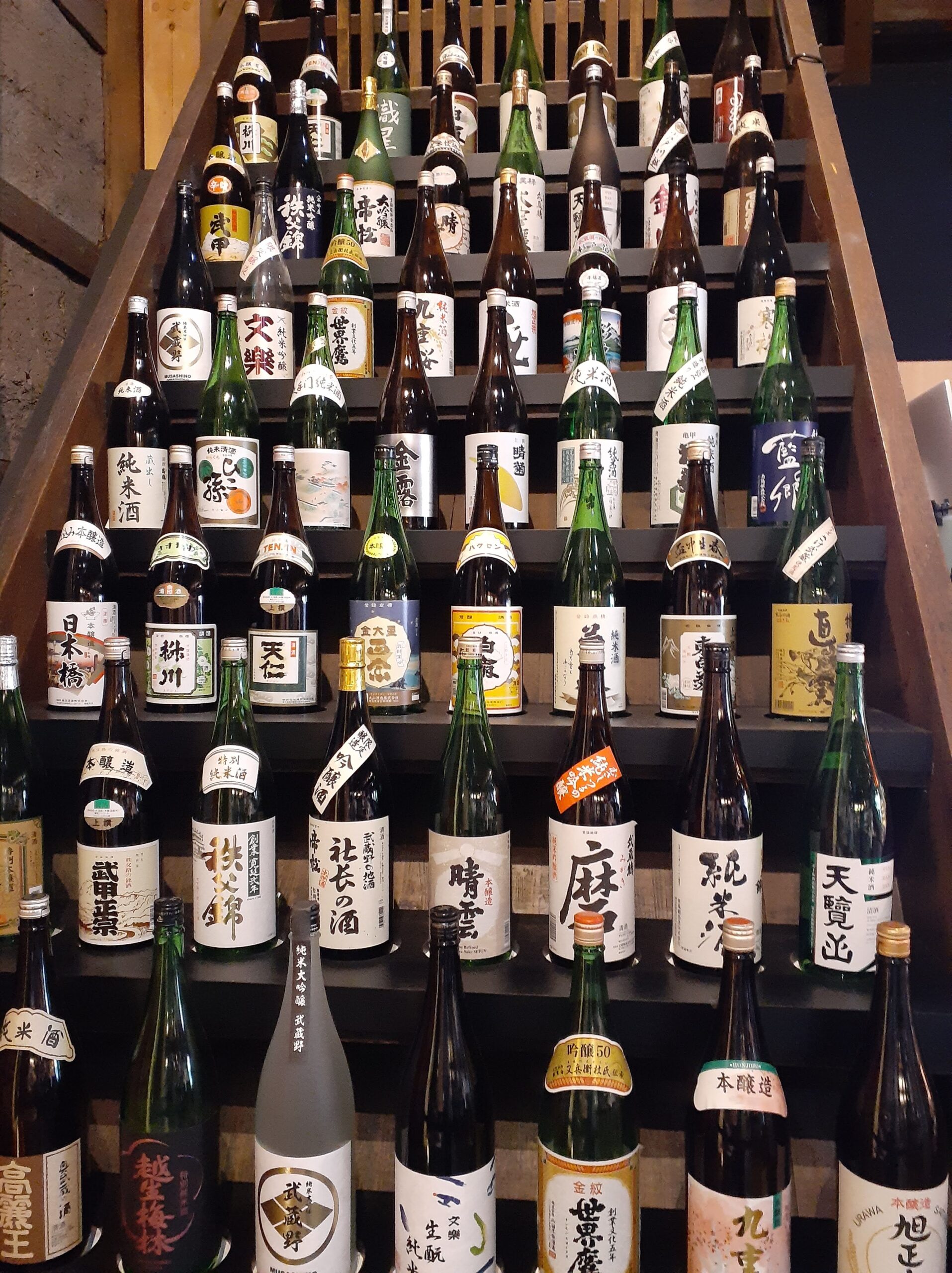
Visiting Japan is a feast for the senses, and no culinary journey is complete without discovering the world of sake (nihonshu).
Now, I must admit, I am lucky to have a secret weapon when it comes to navigating Japanese food and drink. My wife spent a decade working in Japanese restaurants in Hong Kong, selling sake and pairing it with dishes every day. Thanks to her expertise, I have learned that while the world of sake can seem intimidating to a beginner, a few basic rules are all you need to drink like a seasoned local.
If you are feeling slightly overwhelmed by the choices on your upcoming trip, do not worry. In this guide, I will break down what sake actually is, why you simply must try it in Japan, how to spot an authentic venue, and our favourite bottle recommendations to get you started.
What Exactly is Sake?
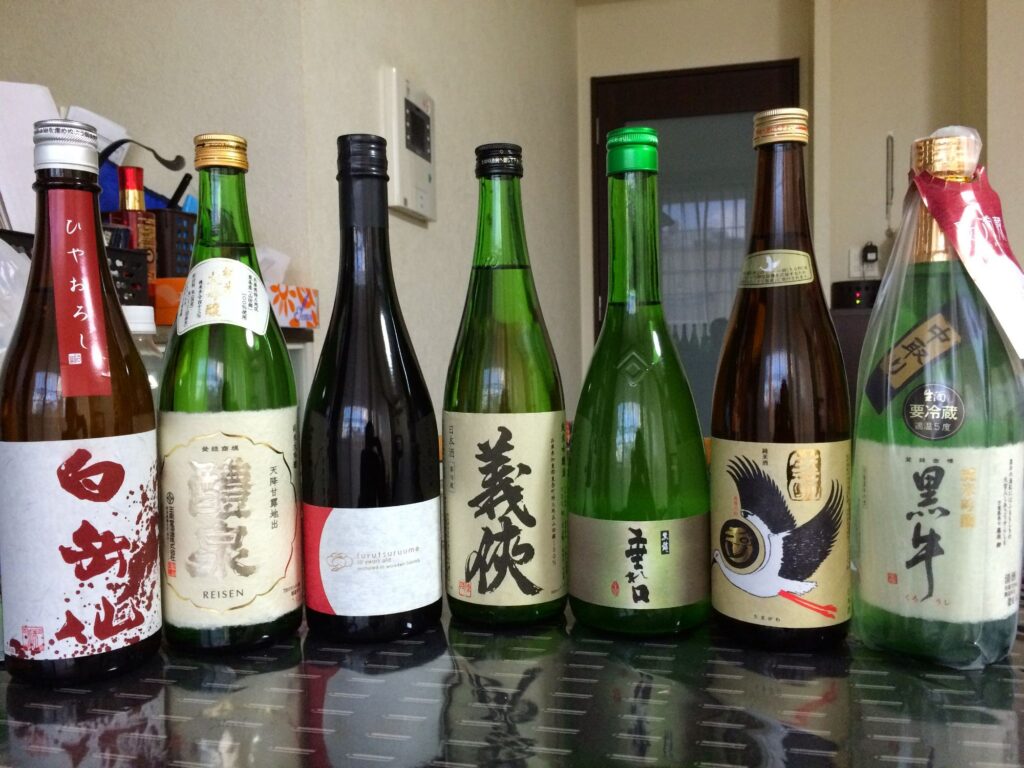
Before diving into a menu, it helps to understand what is in your glass. Known locally as nihonshu (日本酒), Japanese sake is an alcoholic beverage made from fermented rice, water, yeast, and a special fungus called koji.
Although it is often referred to in English as “rice wine,” the brewing process is actually much closer to beer, where starches are converted into sugars and fermented simultaneously. The result is a wonderfully complex drink that can range from crisp, dry, and mineral-driven to sweet, fruity, and highly aromatic.
Why You MUST Try Sake IN Japan
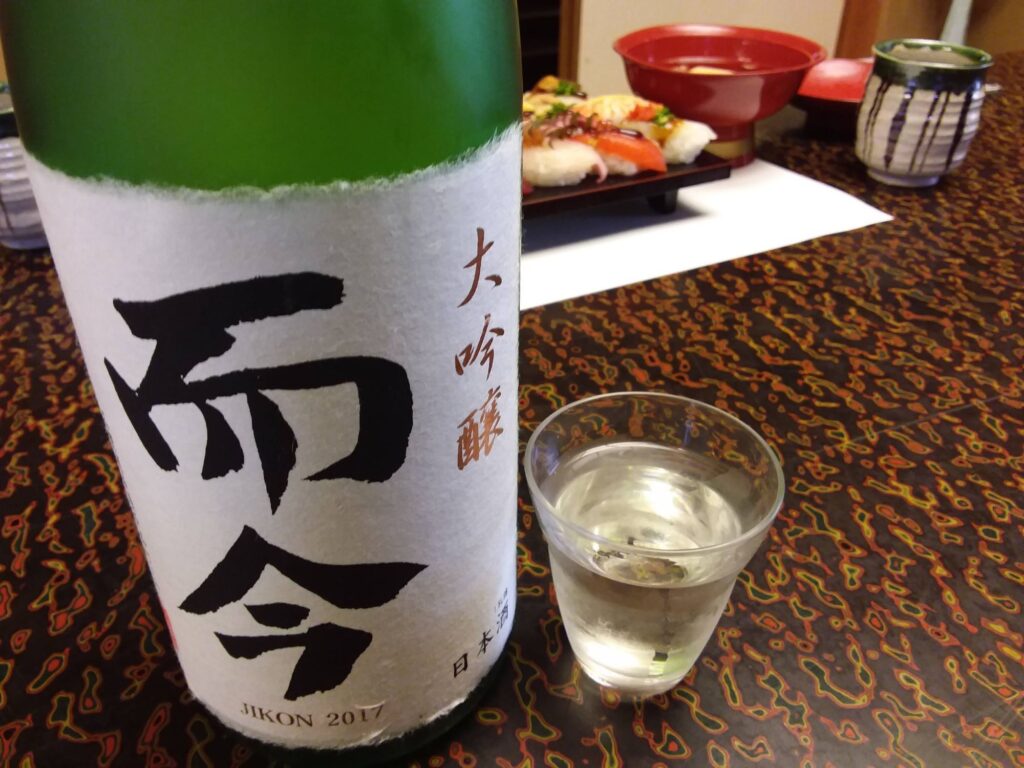
While Japanese sake is increasingly available in high-end Asian restaurants and bottle shops across the UK and western world, trying it abroad only scratches the surface. Experiencing sake on it’s home turf in Japan is a complete game-changer for several reasons:
- Mind-Boggling Variety: The vast majority of Japan’s thousands of regional micro-breweries (kura) never export their bottles. In Japan, the depth of choice—from seasonal small-batch releases to hyper-local brews—is simply unmatched.
- Mastery of Temperature: In Japan, temperature is treated as an art form. Staff and sommeliers know precisely whether a specific bottle shines best ice-cold (hiyashi), at room temperature (hiya), or gently warmed (atsukan).
- Flawless Food Pairings: Japanese venues excel at recommending specific dishes (otsumami) designed to highlight the flavour profile of your glass, elevating both the food and the drink.
- Expert Knowledge: Whether you are at a casual neighbourhood pub or a specialized bottle shop, the people selling and serving sake deeply understand their stock and love sharing that passion with customers.
Must-Try Sake Brands for Beginners in Japan
While navigating Japanese labels can be tricky, keeping an eye out for these standout breweries will guarantee a memorable first sip:
- Masumi (真澄) – Nagano: A true classic. Renowned for its clean, beautifully balanced flavour profile using the iconic No. 7 yeast. It is a reliable standard that never fails to impress.
- Shichiken Sparkling Sake (七賢) – Yamanashi: Ideal for champagne lovers. Light, crisp, and lively, this sparkling sake offers a refreshing twist that is wonderfully approachable for novices.
- Ura-Gasumi (浦霞) – Miyagi: Hailing from a famous coastal region, this bottle delivers a smooth, elegant finish with subtle fruity notes—making it a sublime pairing for fresh sashimi and seafood.
- Kakurei (鶴齢) – Niigata:
While big names from Niigata like Kubota are widely exported, Kakurei is a cherished local treasure crafted by Aoki Shuzo, a brewery with over 300 years of history. Unlike the ultra-light, bone-dry profile typical of the region, Kakurei brings out a richer, deeply comforting rice umami balanced with a clean finish. It is a brilliant example of authentic regional craft you rarely encounter outside Japan. - Kuroushi (黒牛) – Wakayama:
I have a personal soft spot for this one, as Wakayama happens to be my wife’s home prefecture! Crafted by Nate Shuzo, Kuroushi (which translates to “Black Cow”) is a fantastic representation of the region. It is celebrated for its rich, velvety rice flavour and gratifying depth, balanced with a wonderfully clean finish. Because it is a robust food-pairing sake, you will frequently spot it in quality Japanese izakayas and standing bars, yet it remains a hidden gem that is rarely exported overseas.
How to Spot a Great Sake Restaurant or Bar
Not all dining spots are created equal—some casual izakayas might only carry one generic house sake on the menu. If you want to experience the true breadth of Japanese craftsmanship, look out for these three signs:
- A Dedicated Sake Refrigerator: High-quality sake requires temperature-controlled storage. A visible glass-fronted fridge stocked with dark glass bottles is a major green flag.
- Bottles on Display: Venues that proudly showcase empty or active sake bottles in their windows or along the counter take genuine pride in their drink selection.
- An Extensive Regional Menu: A great spot will feature a curated list from various prefectures, often highlighting seasonal specials.
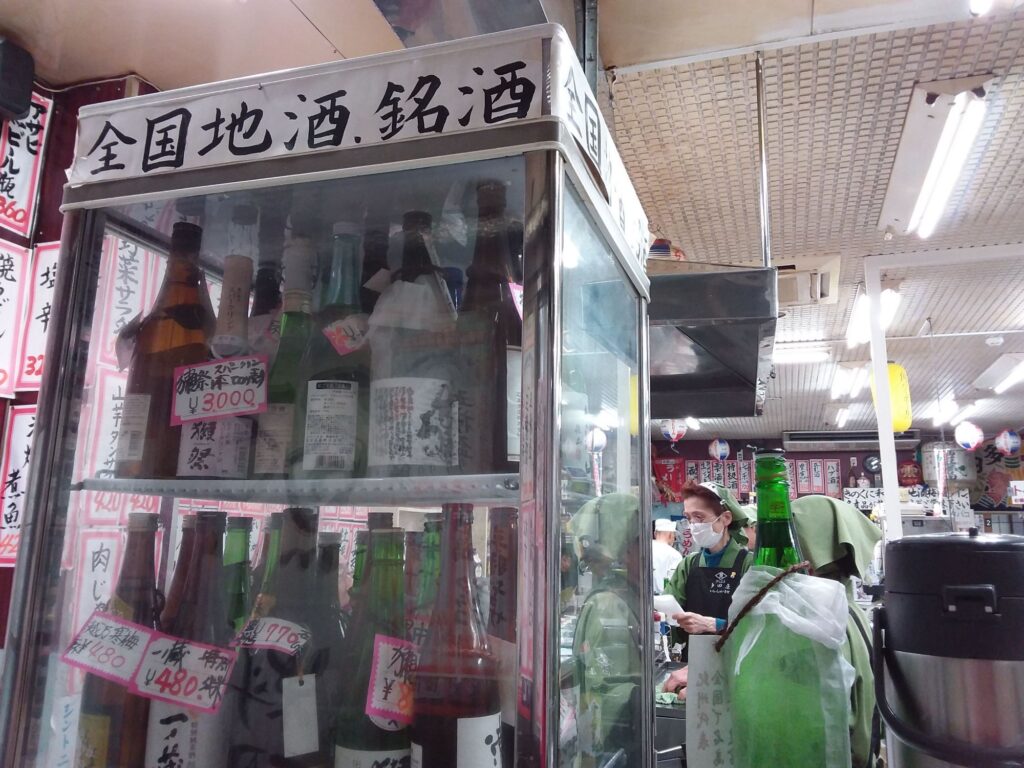
Why a Dedicated Sake Refrigerator is the Ultimate Sign of a Great Spot
While all three signs point toward a quality venue, the presence of a dedicated sake refrigerator is the single most important factor when looking for an exceptional drinking experience.
Unlike wine or whiskey, sake is notoriously delicate and highly sensitive to its environment. Temperature fluctuations, exposure to light, and heat can rapidly degrade its flavor, turning a crisp, aromatic brew into a dull, oxidized disappointment.
Because of this, top-tier brewers view their job as extending far beyond the fermentation tank. To them, delivering the sake to the consumer in its absolute best, freshest condition is just as important as brewing it.
As a result, many reputable sake breweries strictly vet where their products end up. They are hesitant—and often outright refuse—to supply their prized, labour-intensive bottles to restaurants, izakayas, or shops that lack proper temperature-controlled storage.
If an establishment has invested in a dedicated sake fridge, it communicates two vital things:
- Quality Control: They respect the product enough to store it at the optimal temperature, preserving the delicate aromas and flavors intended by the brewer.
- Industry Trust: It signals that respected breweries trust the venue enough to share their best bottles with them.
When you spot that glass-fronted refrigerator, you can rest assured you are stepping into a place that takes sake just as seriously as the artisans who made it.
The “Junmai Ginjo” Golden Rule
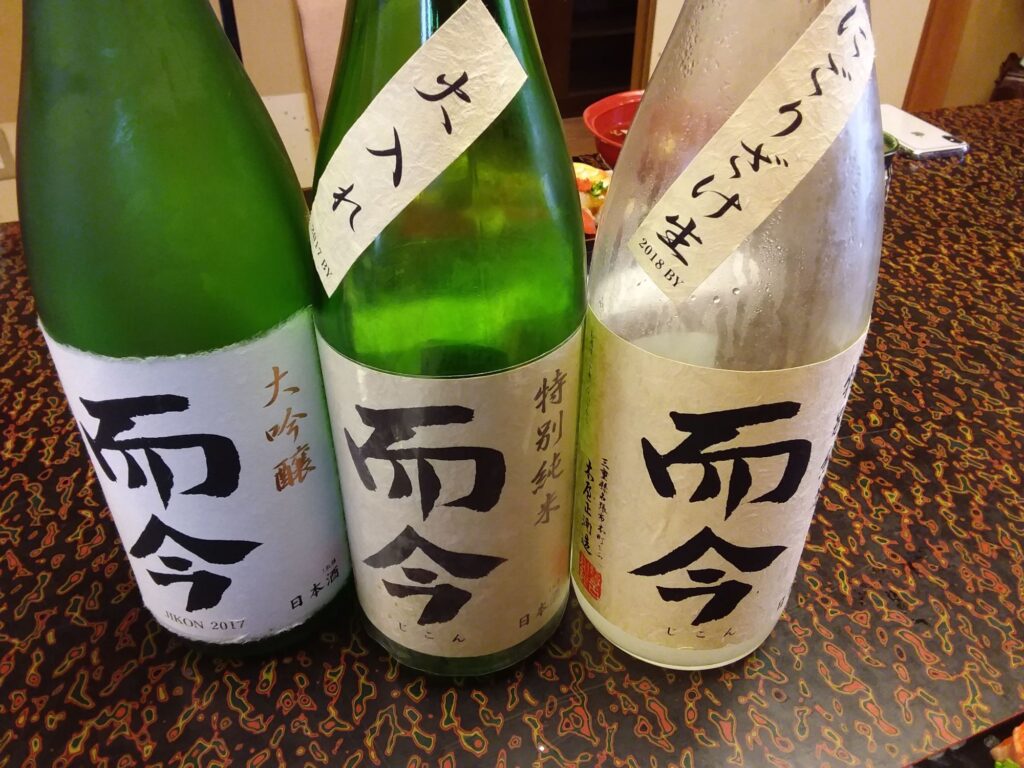
When you find a brand you like, you might notice the same brewery offers multiple bottles. If you are unsure which one to pick at a restaurant or bottle shop, always opt for Junmai Ginjo (純米吟醸).
- What does it mean? Junmai translates to “pure rice” (brewed without added alcohol), while Ginjo indicates that the rice has been polished down to at least 60%, followed by slow, low-temperature fermentation.
- Why pick it? Junmai Ginjo is where a master brewer (toji) showcases their finest skill. As my wife always reminds me, it hits the ultimate sweet spot between rich rice character and fragrant, fruity aromas, giving you the truest expression of what that brewery can achieve.
Essential Tips for Enjoying Sake Safely
Before you raise your glass, keep these practical tips in mind:
- Mind the Alcohol Content: Sake typically sits around 15%–17% ABV, which is higher than standard grape wine (around 12%–13%). Because it goes down so smoothly, it can easily catch you off guard.
- Pace Yourself with Water: Always order a jug of water alongside your drinks. In Japan, drinking water with sake is called yawaragimizu (“softening water”)—it cleanses your palate and keeps hangovers at bay.
Where to Drink Sake in Japan: Izakaya, Tachinomi, and Kakuuchi
To truly immerse yourself in Japanese drinking culture, skip the high-end hotel bars and head where the locals go. Here are three classic styles of venues to explore:
- Izakaya (居酒屋): The traditional Japanese pub. They offer casual seating, a bustling atmosphere, and an extensive menu of small sharing plates (otsumami) designed to complement cold beer and sake.
- Tachinomi (立ち飲み): Literally meaning “stand-and-drink.” These are standing-only bars where space is snug, prices are friendly, and conversations flow easily between regulars and visitors alike.
- Kakuuchi (角打ち): Originally a tradition where customers drank standing up in the corner of a local liquor shop (sake-ya). Today, kakuuchi offer an authentic, budget-friendly way to sample rare regional bottles alongside simple snacks, directly inside a bottle shop.
Want to dive deeper into local standing bar culture?
Read more detailed stories about Tachinomi and Kakuuchi:
➡ What is Tachinomi? Why Japan’s Standing Bars Are the Ultimate Travel Trend (and Why It’s Not Bad Manners)
➡ What is Kakuuchi? Beginner’s Guide to Japan’s Cheapest & Most Authentic Bar Experience
➡ The Practical Beginner’s Guide to Tachinomi & Kakuuchi: How to Sip, Order, and Blend In Like a Local
➡ Back to Japan Food & Drink Guide
Comment