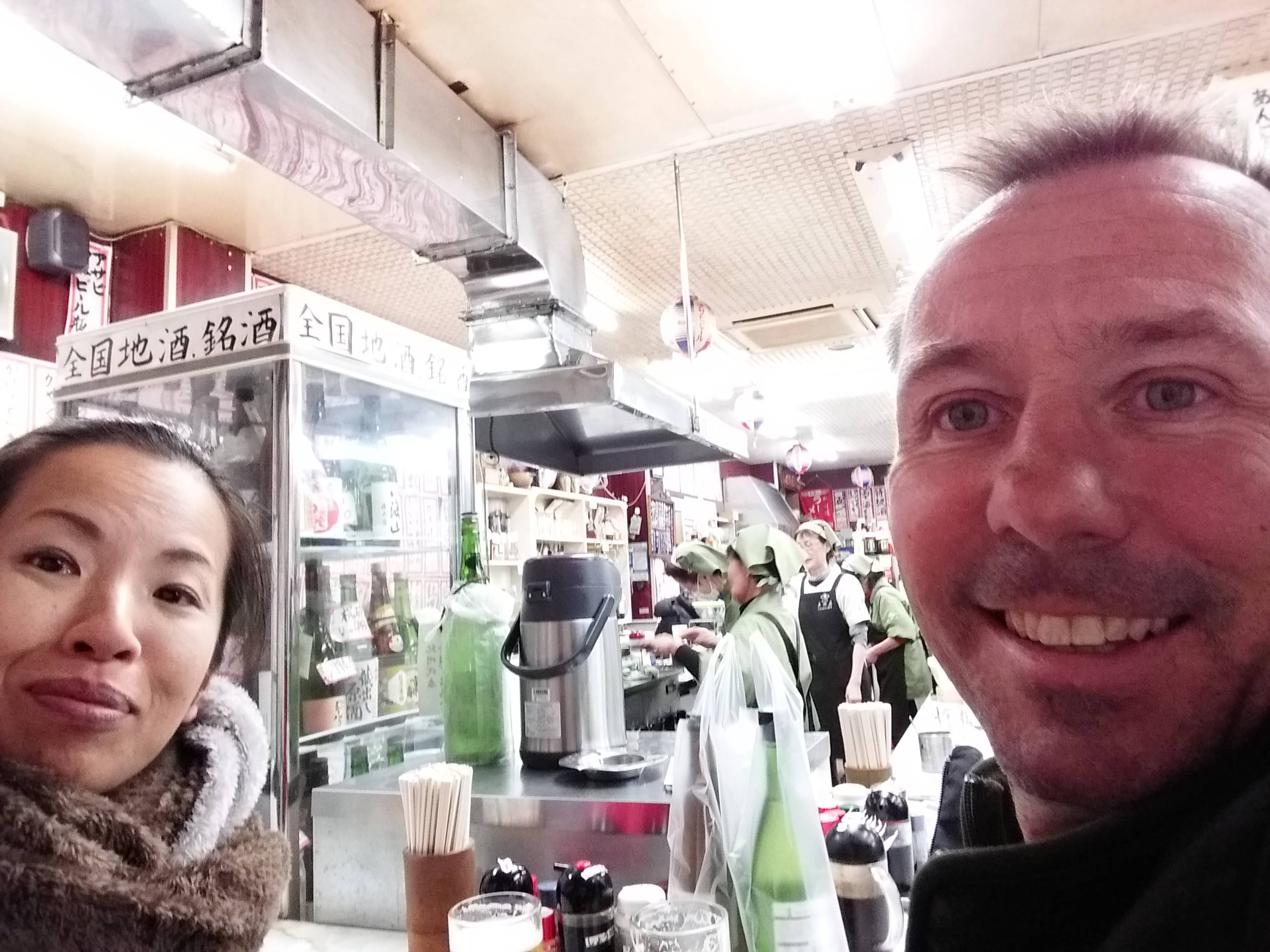
Understanding the history of Japan’s standing-and-drinking culture is one thing, but actually standing in front of a bustling, crowded Tachinomi or a historic Kakuuchi (liquor store bar) and trying to slide in can be incredibly intimidating. There are no English hosts at the door, the menus are often handwritten in Japanese calligraphy on the walls, and everyone seems to know exactly what they are doing.
When I first started exploring these places with Mai, I felt like a complete outsider. But I quickly realized that beneath the lively, sometimes gritty exterior, these bars are some of the most welcoming spots in Japan—provided you know the unspoken rules.
If you want to skip the tourist traps and drink like a true Tokyo or Osaka local, here is your practical, step-by-step survival guide to navigating Japan’s standing bars.
1. What Exactly is Tachinomi and Kakuuchi? (And What to Expect)
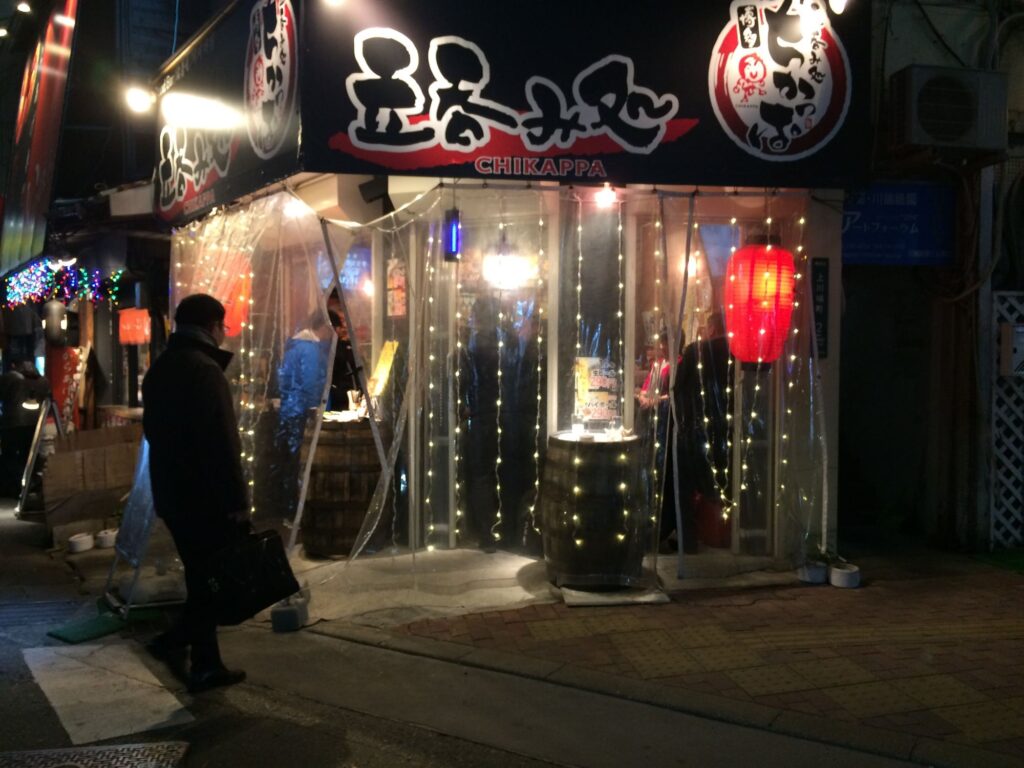
Before you dive in, it helps to understand what makes these venues so unique compared to a standard sit-down restaurant.
- Tachinomi (立ち飲み): Literally meaning “standing and drinking,” these are lively, casual bars. While the main counter is always standing-only, many shops aren’t strictly 100% standing; some deliberately set aside a few small tables or barrels with stools in the back for guests who prefer to sit.
- Kakuuchi (角打ち): This is a unique sub-category where you drink inside an actual, operating retail liquor store. It’s highly atmospheric, offering drinks at near-retail prices alongside simple, packaged snacks.
The “Tapas” of Japan
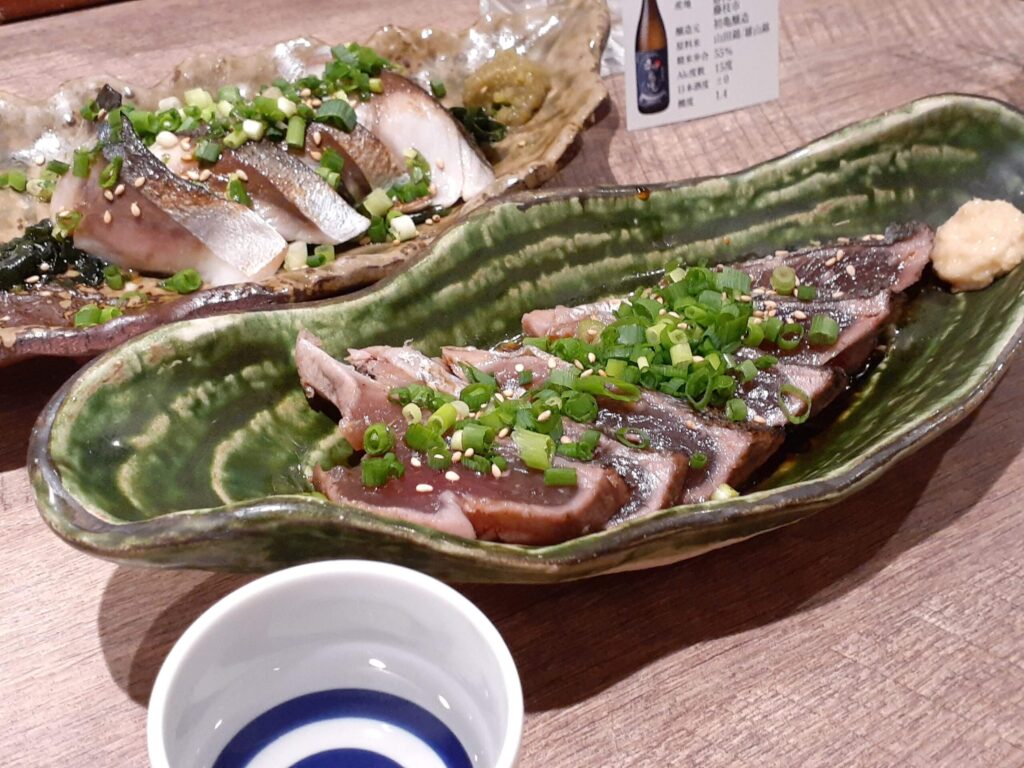
The defining culinary feature of a Tachinomi (and many traditional local Izakayas) is that they serve small-portion dishes (Otsumami) designed to be nibbled on slowly while you sip your drink. The experience is similar to hopping between Spanish tapas bars—you order a tiny plate of something savoury, enjoy it with a glass of sake or beer, and move on.
Keep Your Group Small
Because these bars are built in tiny, narrow urban spaces, large groups are a major no-no. Trying to roll into a compact standing bar with a group of four or five people will often result in a polite refusal at the door, as there simply isn’t room to accommodate a crowd. It is an experience best enjoyed solo, as a couple, or with one close friend.
Related Articles:
➡ What is Tachinomi? Why Japan’s Standing Bars Are the Ultimate Travel Trend (and Why It’s Not Bad Manners)
➡ What is Kakuuchi? Beginner’s Guide to Japan’s Cheapest & Most Authentic Bar Experience
2. How to Find the Best Local Standing Bars
You won’t find the most authentic Tachinomi on flashy English review sites. To find the real hidden gems, you need to know where to look.
- Follow the Train Tracks (Gado-shita): Look under or immediately adjacent to elevated train tracks near major commuter stations (like Yurakucho or Shimbashi in Tokyo, or Umeda in Osaka).
- Hunt in the Yokocho: Look for narrow, lantern-lit alleyways. If you see smoke rising from yakitori grills and people spilling out onto the pavement with drinks on plastic beer crates, you’ve found the spot.
- Spot the Red Lantern (Akachochin) and Noren (Curtains): A short fabric curtain at the door and a glowing red lantern out front are the classic signs of an old-school, welcoming standing bar.
- Look for the Magic Words: Keep an eye out for the kanji 「立ち飲み」 (Tachinomi) or 「角打ち」 (Kakuuchi) on signs.
Related Articles:
➡ A Beginner’s Guide to Sake in Japan: What to Drink, How to Choose & Where to Go
3. Entering and Mastering the Unspoken Etiquette
Once you find a shop, don’t wait to be seated. Here is how to make your entrance smooth.
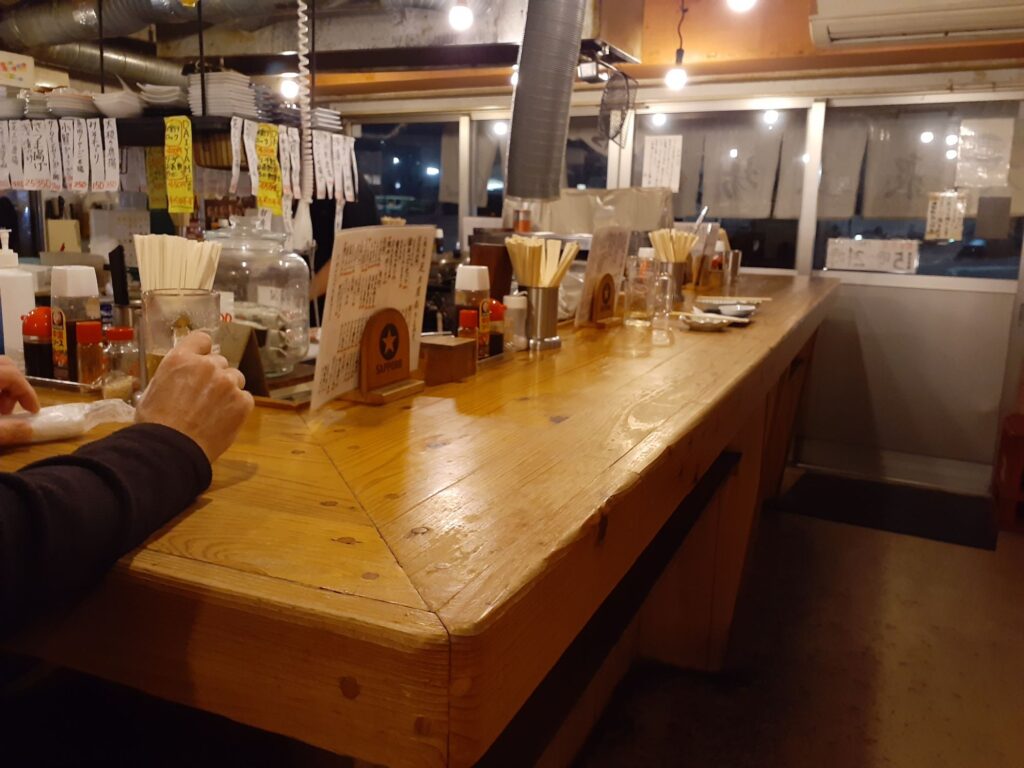
- The “Slide-In” (Tsumeru): If the counter looks full, catch the eye of the staff or a nearby patron and gently ask, “Aitemasu ka?” (Is there space?). Locals will happily shift a few inches to let you squeeze in. In Japan, making room for others at a crowded counter is a basic courtesy.
- Mind Your Luggage: Standing bars are compact. Leave large backpacks or suitcases at your hotel or in a station coin locker. Bringing heavy bags into a tight Tachinomi space is a major faux pas.
- The Golden Rule of Kakuuchi: Remember that a Kakuuchi is a functioning liquor store first, and a bar second. Please drink in the designated counter area.
4. The Ordering System: Cash on Delivery vs. Tabs
Ordering can vary depending on the bar, but it generally falls into two categories:
- The Cash-on-Delivery System: Many traditional shops use a pay-as-you-go system. You will see a small wooden bowl or plastic dish on your counter space. Put a few thousand-yen bills and loose coins into the bowl when you stand down. When a drink or dish arrives, the staff will take the exact amount from the bowl and drop your change back in. It’s incredibly efficient!
- The Standard Tab: Other places will track your bill on a clip or clip-board at your counter space and you pay at the register when you leave.
- How to Order Your First Drink: As soon as you secure your spot, order your first drink immediately. The universal phrase is “Nama-biiru hitotsu” (One draft beer) or “Highball hitotsu”.
5. How to Decode the Menu and Find the Best Food
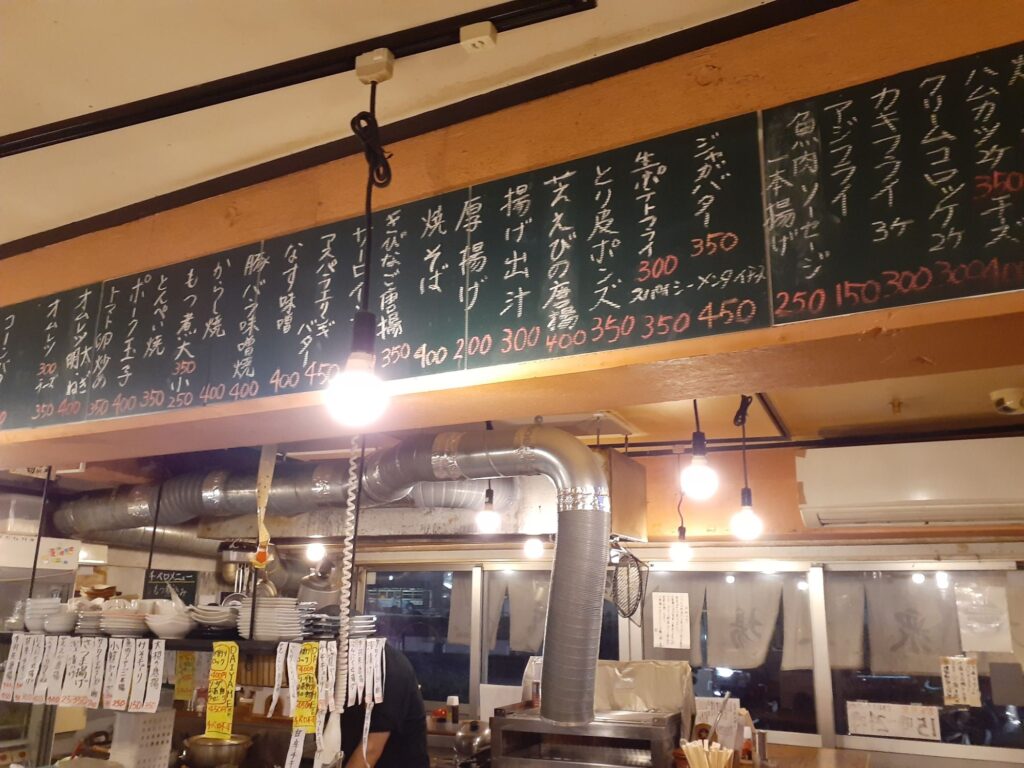
If there is no English menu and the wall looks like a wall of kanji, don’t panic. You can still order incredible food using these insider tricks:
- Look at What Others Are Eating: The easiest hack is to look at your neighbour’s counter. If something looks delicious, simply point politely (or catch the waiter’s eye) and say, “Onaji mono o kudasai” (The same thing, please).
- Ask for the Chef’s Recommendation: Say the magic phrase: “Osusume wa nande su ka?” (What do you recommend?). The staff will point out their fresh daily catch or their signature stew.
- Classic Standing Bar Staples to Try:
- Motsunikomi (Stewed Offal): A rich, slow-cooked miso or soy-sauce-based stew with root vegetables. It’s the ultimate comfort food that pairs perfectly with sake.
- Hamkatsu (Fried Ham Cutlet): A thick slice of ham coated in panko breadcrumbs and deep-fried. Pure “Showa Retro” comfort.
- Kushikatsu / Yakitori: Skewers of fried pork or grilled chicken that are cheap, fast, and easy to eat standing up.
A Quick Note from Us: Because every Tachinomi has its own distinct personality and a completely different food menu, it’s impossible to list every single dish here! However, Mai and I frequently share the specific dishes we discover on our own nights out right here on this blog, so make sure to follow or bookmark our site for our latest local recommendations.
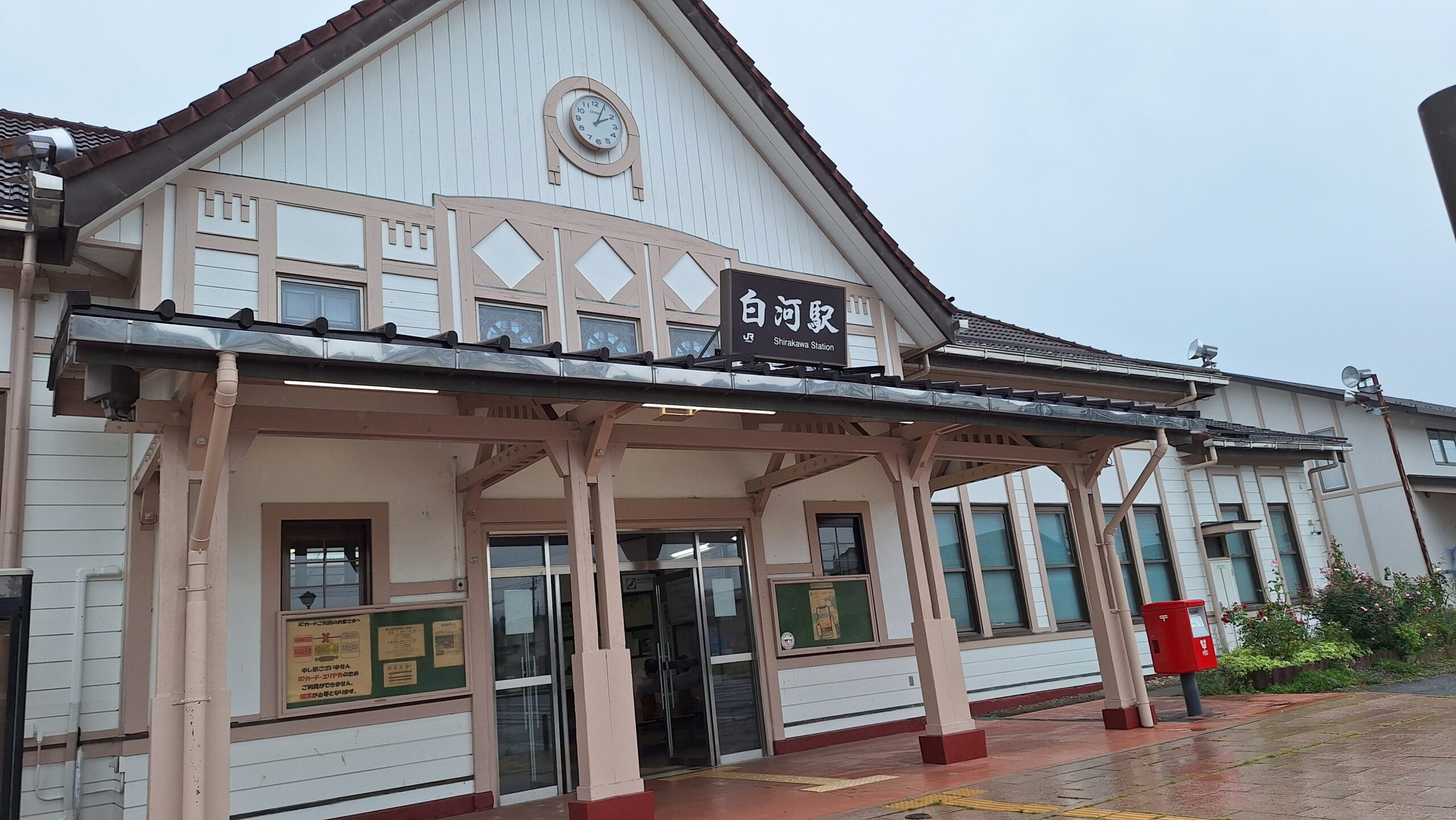
Plus, during our upcoming backpacking trip to Tohoku this September, we already have a long list of regional standing bars and sake tasting stalls on our itinerary—we can’t wait to share those hidden northern gems with you soon!
6. Cashing Out and Moving On
The beauty of Tachinomi is its fast pace, so knowing how to leave gracefully is just as important as knowing how to arrive.
- Don’t Camp Out: These shops run on high customer turnover. Once you’ve finished your drinks and plates, it’s polite to move on to the next spot rather than lingering at the counter for hours.
- Paying the Bill: If you didn’t use the cash-bowl system, catch the staff’s attention and say, “O-kaikei onegai shimasu” (Bill, please).
- Clear Your Space: Before you step away from the counter, it’s a typical gesture to tidy up your space slightly—stack your plates together and slide your empty glasses to the back edge of the bar. Say a quick “Gochisousama deshita” (Thank you for the feast) to the staff as you slip back out into the neon lights.
Related Articles:
➡ What is Tachinomi? Why Japan’s Standing Bars Are the Ultimate Travel Trend (and Why It’s Not Bad Manners)
➡ What is Kakuuchi? Beginner’s Guide to Japan’s Cheapest & Most Authentic Bar Experience
➡ Back to Japan Food & Drink Guide
Comment