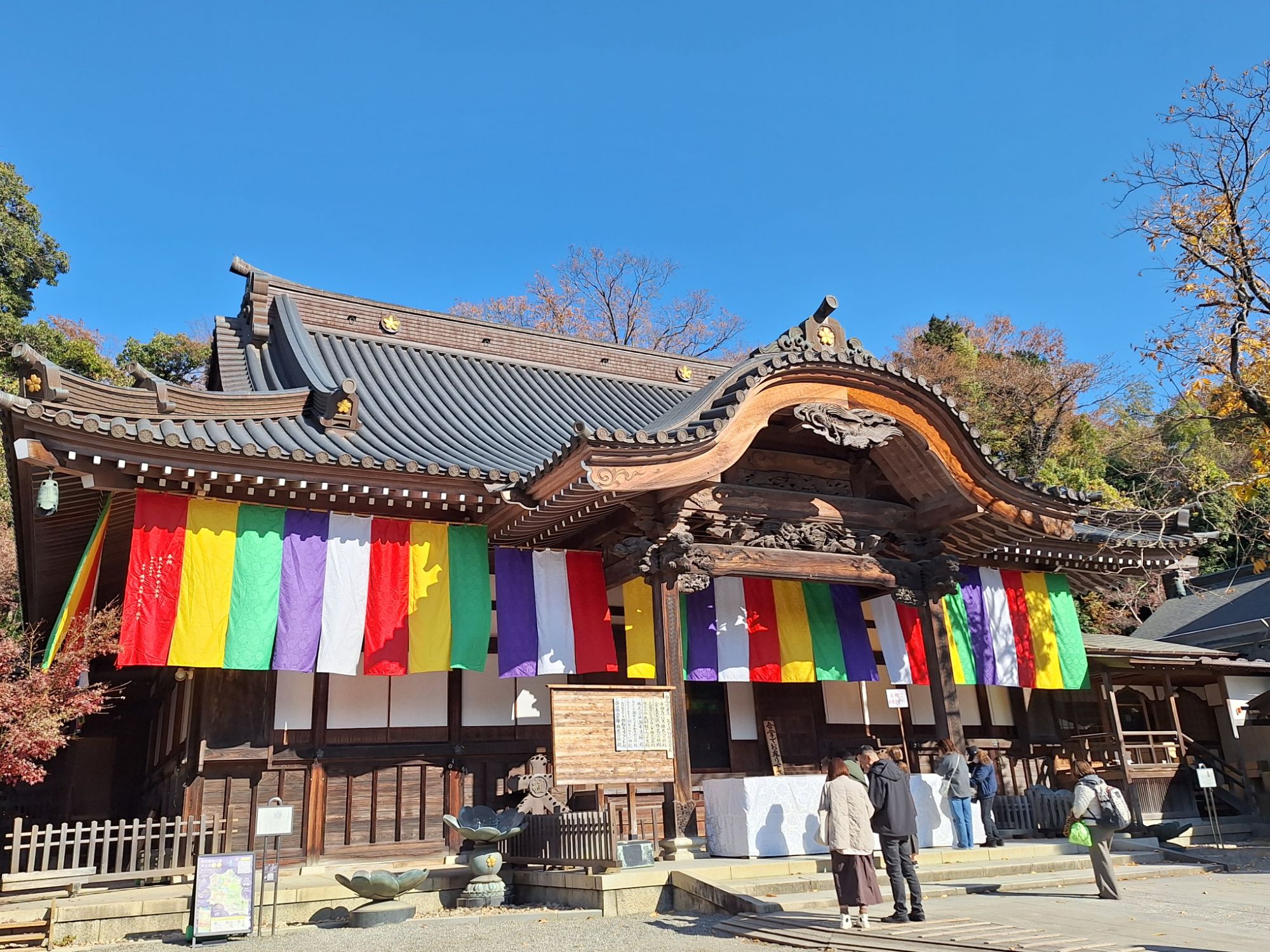
If you are looking to swap Tokyo’s neon-lit skyscrapers for ancient woodlands, traditional architecture, and world-class greenery, a Jindaiji day trip from Tokyo is an absolute must-visit. Nestled in Chofu City in Western Tokyo, the serene Jindaiji area feels a world away from the bustling centre, yet it is easily accessible for a relaxing day out.
From slurping historic buckwheat noodles to uncovering rare, exotic plants, my wife Mai and I love this pocket of tranquility. In this guide, we will walk you through the perfect itinerary for a day trip to Jindaiji, along with some essential insider tips to help you avoid the common mistakes we made!
Quick Summary: Tokyo to Jindaiji at a Glance
- How to Get There: Take the Keio Line from Shinjuku Station to Chofu Station or Tsutsujigaoka Station (approx. 15–20 mins), then hop on a local bus directly to Jindaiji (approx. 15 mins).
- Important Closing Day: The Botanical Gardens are closed on Mondays (or Tuesday if Monday is a public holiday).
Lunch First: Slurping Historic Soba Noodles at Jindaiji
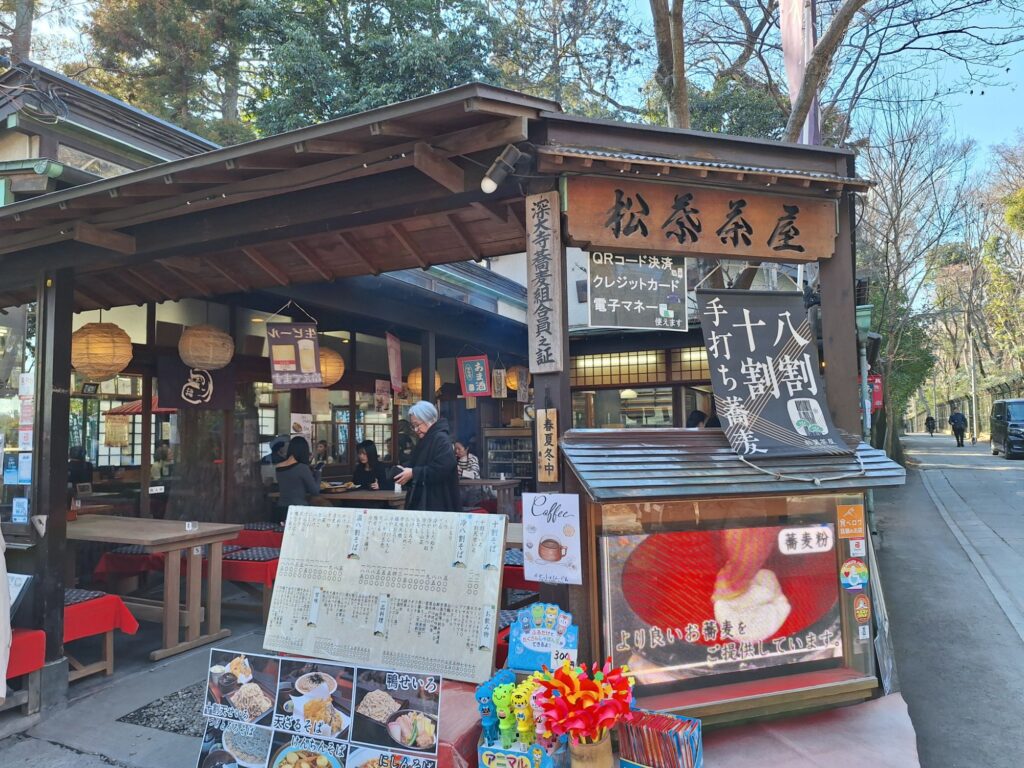
Upon arriving, your very first stop should be an early lunch. The area surrounding the temple is famous across Japan for Jindaiji Soba (buckwheat noodles), a culinary tradition dating back to the Edo period due to the region’s exceptionally pure spring water. The streets are lined with charming, rustic wooden soba shops that make you feel as though you have stepped back in time.
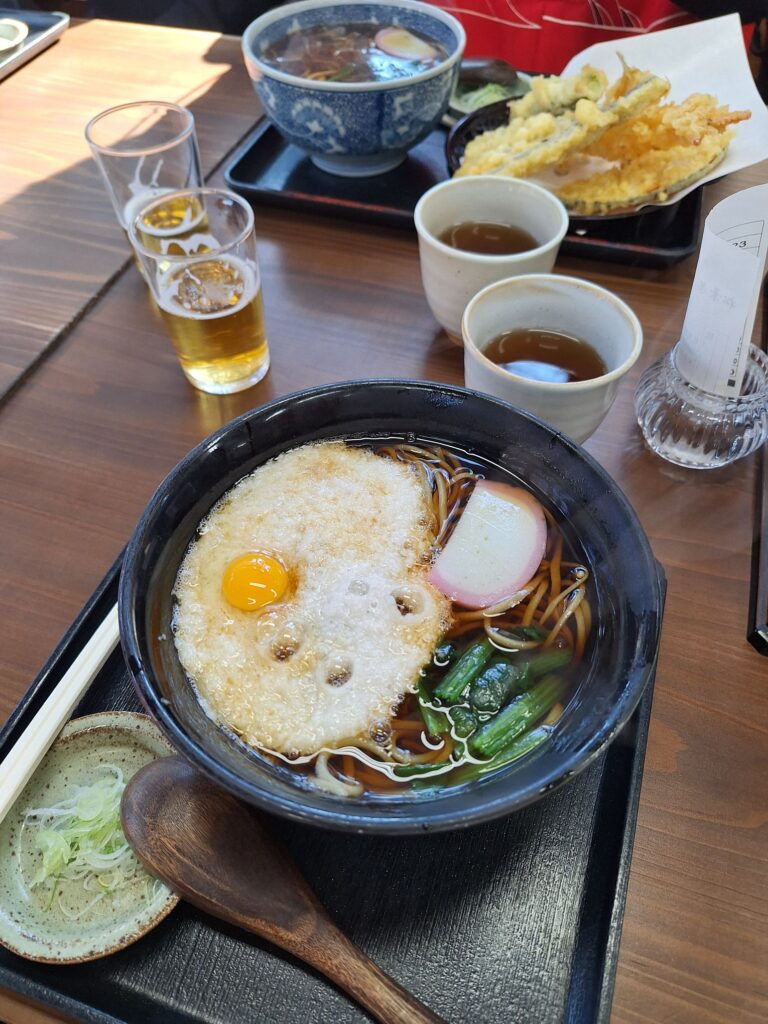
We highly recommend sitting down for a steaming bowl of Tsukimi Soba (topped with a poached egg) paired with a cheeky cold beer to fuel your afternoon walk.
Chris & Mai’s Top Soba Tip: Because this local delicacy is so incredibly famous, the soba shops can get packed, especially for lunch on weekends. To avoid massive queues, we highly recommend planning your meal slightly early (around 11:30 AM) or a bit later in the afternoon.
To see where to go next, head back to our comprehensive guide on the Best Day Trips from Tokyo.
Step into the Serene and Ancient Jindaiji Temple
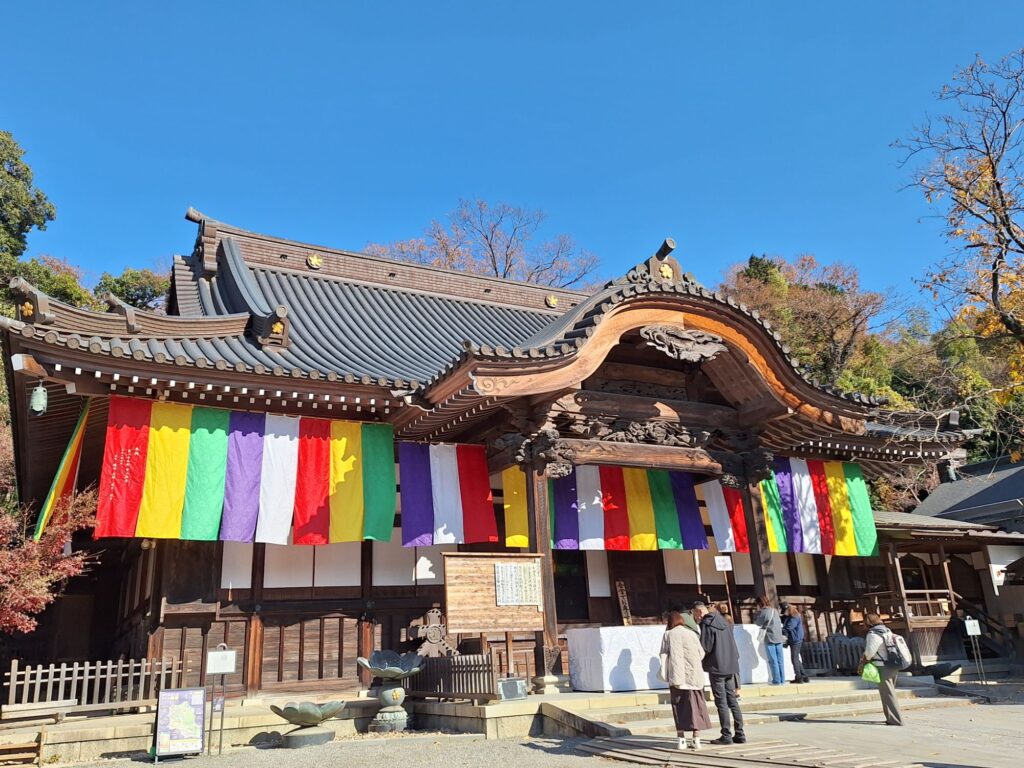
With a full stomach, take a leisurely stroll into the grounds of Jindaiji Temple. Founded in 733, it is the second oldest temple in the whole of Tokyo, surpassed only by Sensoji in Asakusa.
As you wander through the forested precinct, you will be surrounded by the soothing sounds of natural freshwater springs, the gentle rustle of cedar trees, and the calming scent of incense. It is an incredibly spiritual and atmospheric place to soak up authentic Japanese culture without the massive tourist crowds of central Tokyo.
Exploring the Magnificent Jindaiji Botanical Gardens
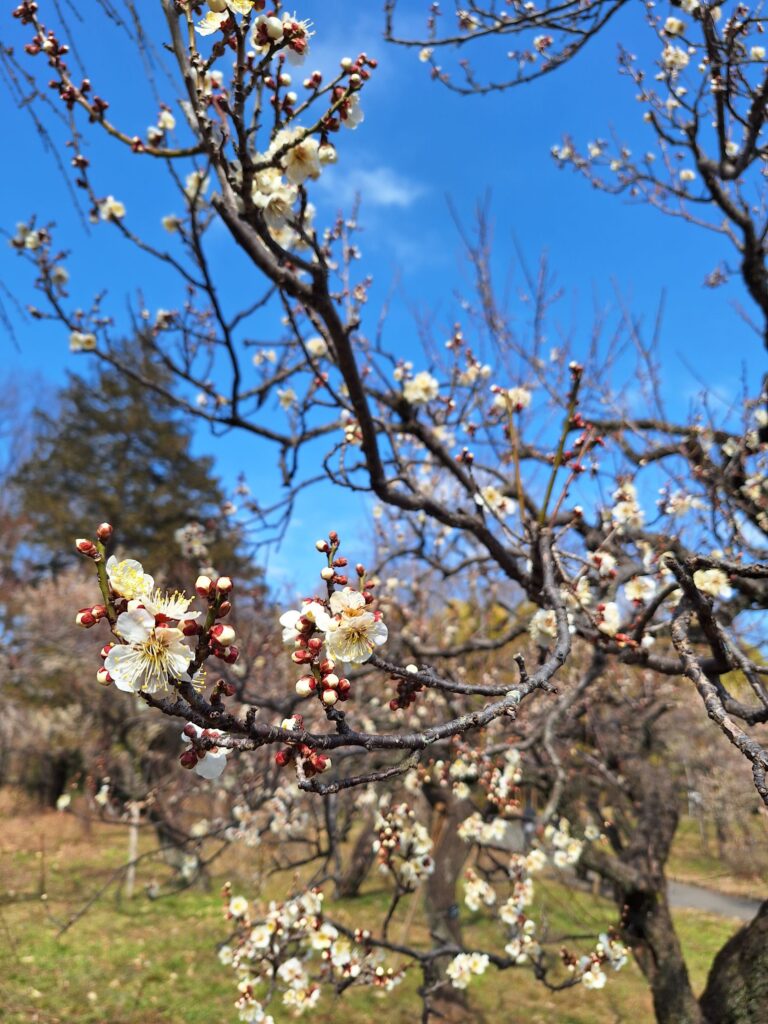
Right adjacent to the temple is the vast Jindaiji Botanical Gardens. This massive green oasis is divided into various seasonal zones and stands as one of Tokyo’s premier botanical destinations.
Our most recent trip here was during the winter, meaning the outdoor deciduous trees were bare. However, the absolute crown jewel of a winter visit is the magnificent Large Greenhouse (Glasshouse). Inside, you are transported into a tropical paradise filled with brilliant, colourful displays of orchids, begonias, and spectacular oversized hibiscus.
The Infamous “Corpse Flower” (Titan Arum)
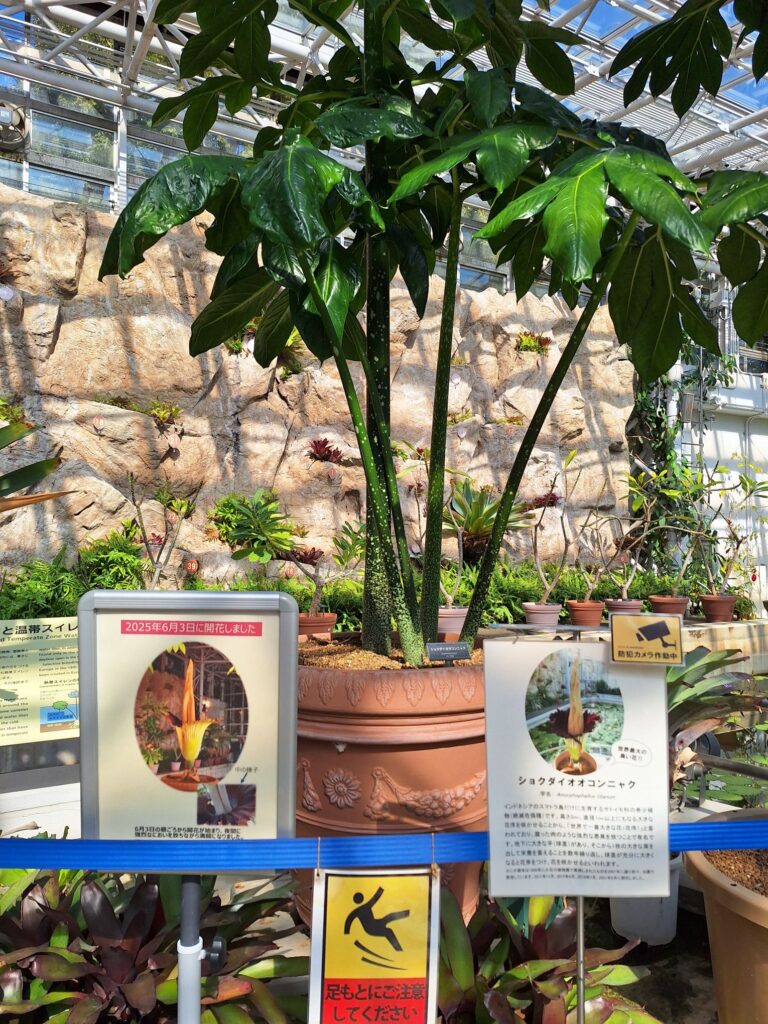
If you visit the greenhouse, keep an eye out for their most famous resident: the Titan Arum (affectionately known as the Corpse Flower). This extraordinary plant is a global botanical sensation because it only blooms once every few years—sometimes even a decade—and the massive flower stays open for a fleeting 48 hours. When it does bloom, it releases a notoriously pungent smell resembling rotting meat to attract pollinators. It is highly celebrated by the garden, so look out for notices about it!
Seasonal Events and the Famous Rose Garden
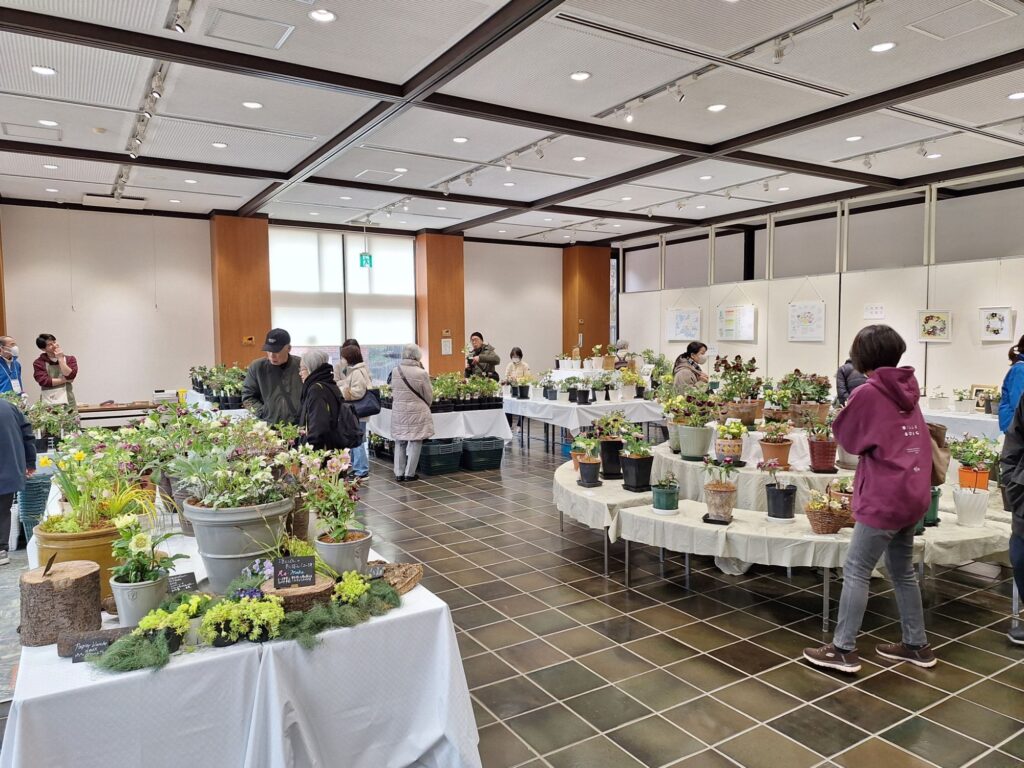
Even in the colder months, the gardens host fantastic indoor events; during our winter visit, we caught a fascinating exhibition showcasing unique hybrid varieties of Hellebores (Christmas Roses).
That being said, if you are planning your trip for spring or autumn, you are in for an absolute treat. The gardens boast a massive, beautifully designed Rose Garden. Visiting when the thousands of roses are in full, vibrant bloom is something we highly recommend adding to your travel calendar.
Essential Travel Tips Before You Go
To ensure your day trip goes off without a hitch, keep these practical tips in mind:
- Watch Out for Monday Closures! This is a crucial one. The Jindaiji Botanical Gardens are strictly closed on Mondays. Learn from our experience—we actually turned up on a Monday once without checking, only to find the gates firmly locked! Make sure to plan your excursion between Tuesday and Sunday.
- Wear Proper Trainers: The botanical gardens are vast, and the paths around the temple are uneven and traditional. You will easily clock up thousands of steps, so comfortable footwear is key.
- Bring Cash: While major shops accept digital cards, some of the smaller, traditional street stalls selling sweet dango (rice dumplings) or souvenirs near the temple still prefer cash.
To see where to go next, head back to our comprehensive guide on the Best Day Trips from Tokyo.
Comment