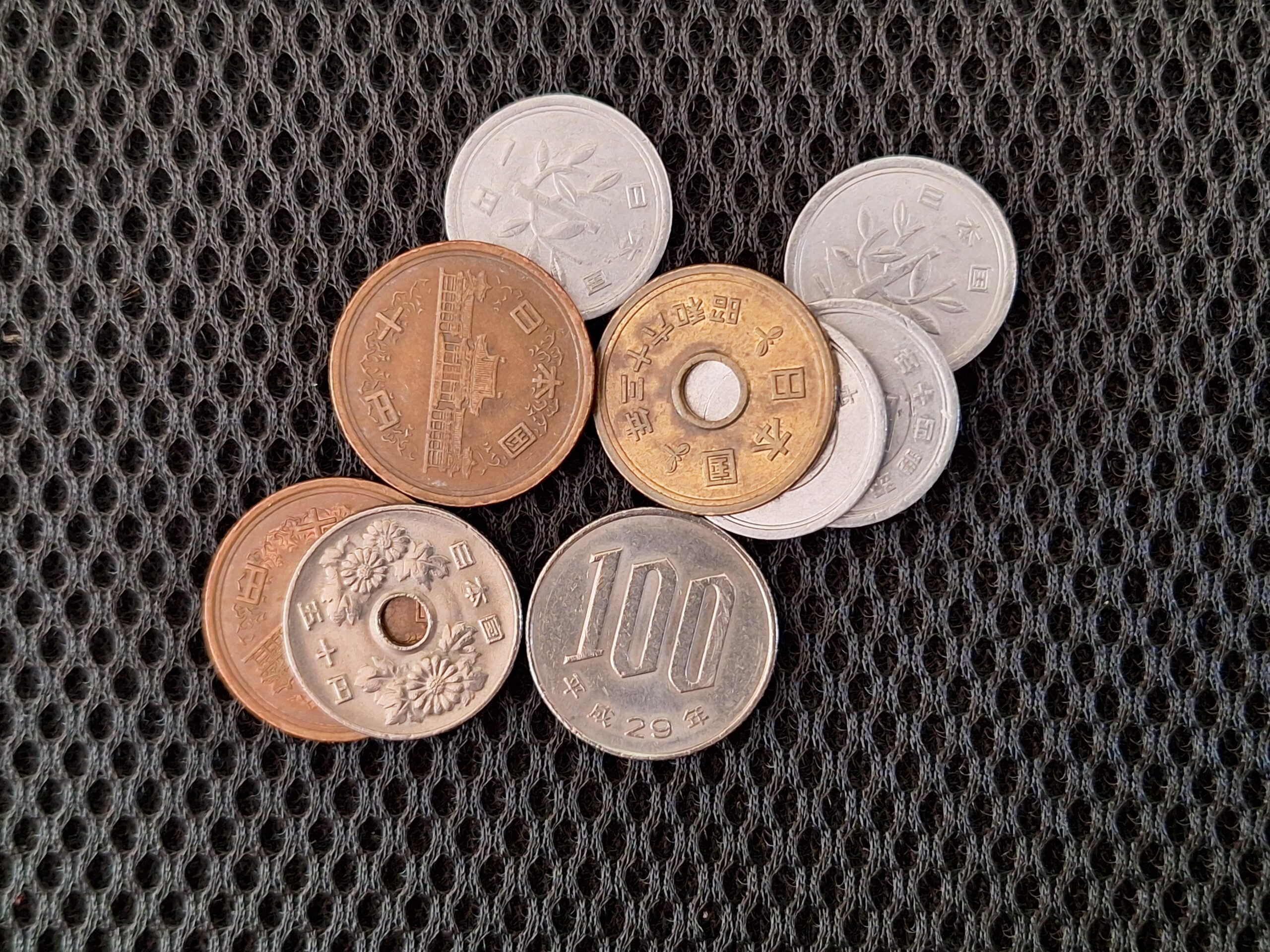
When you are preparing for your first trip to an unfamiliar country, learning the local etiquette is just as important as packing the right gear. And if you are coming from places like the US, Canada, or the UK, one of the most stressful financial questions you will have is: “How much am I supposed to tip here?”
In many countries, especially North America, calculating the ‘right’ percentage for your waiter, taxi driver, or hotel porter is an important exercise. Leave too little, and you risk appearing rude or ungrateful.
If you are currently stressing over how much cash to set aside for tips during your Japanese adventure, you can breathe a massive sigh of relief.
The short answer is: No. You do not tip in Japan. In fact, you should actively avoid doing it.
Japan is a strictly no-tipping country. Excellent service is already included in the price, and trying to leave extra cash behind can lead to some genuinely confusing—and sometimes embarrassing—situations. Here is our honest, real-world guide to understanding Japan’s unique tipping culture and how to show your appreciation like a local.
- The “Runaway Tourist” Scenario: Why Tipping Causes Confusion
- The Philosophy: The Magic of Omotenashi
- The Exception of Tradition: The Concept of “Kokorozuke”
- Modern Exceptions: Fees, Taxis, and the Changing Landscape
- Quick Tipping Cheat Sheet for Your Trip
- How to Say “Thank You” Without Cash
- Conclusion: Enjoy the Stress-Free Bill
The “Runaway Tourist” Scenario: Why Tipping Causes Confusion
To understand just how deeply ingrained the no-tipping rule is, let me share a scenario that happens to dozens of well-meaning tourists every single day in Tokyo and Kyoto.
Imagine you’ve just finished an incredible bowl of ramen. The service was lightning-fast, the food was spectacular, and the staff smiled warmly. Wanting to show your gratitude, you leave a few hundred yen coins on the table and walk out the door.
Two minutes later, you hear someone sprinting down the street behind you, breathless. It’s your waiter. They aren’t running to thank you—they are running to return the money you “forgot” on the table.
In Japan, if you leave cash behind, the staff will automatically assume you accidentally dropped your change. They will feel a deep sense of responsibility to track you down and return it to you. Trying to explain, “No, that’s for you!” usually just results in awkward bowing, polite refusals, and mutual confusion. Save yourself from an awkwardn situation: keep your coins in your wallet!
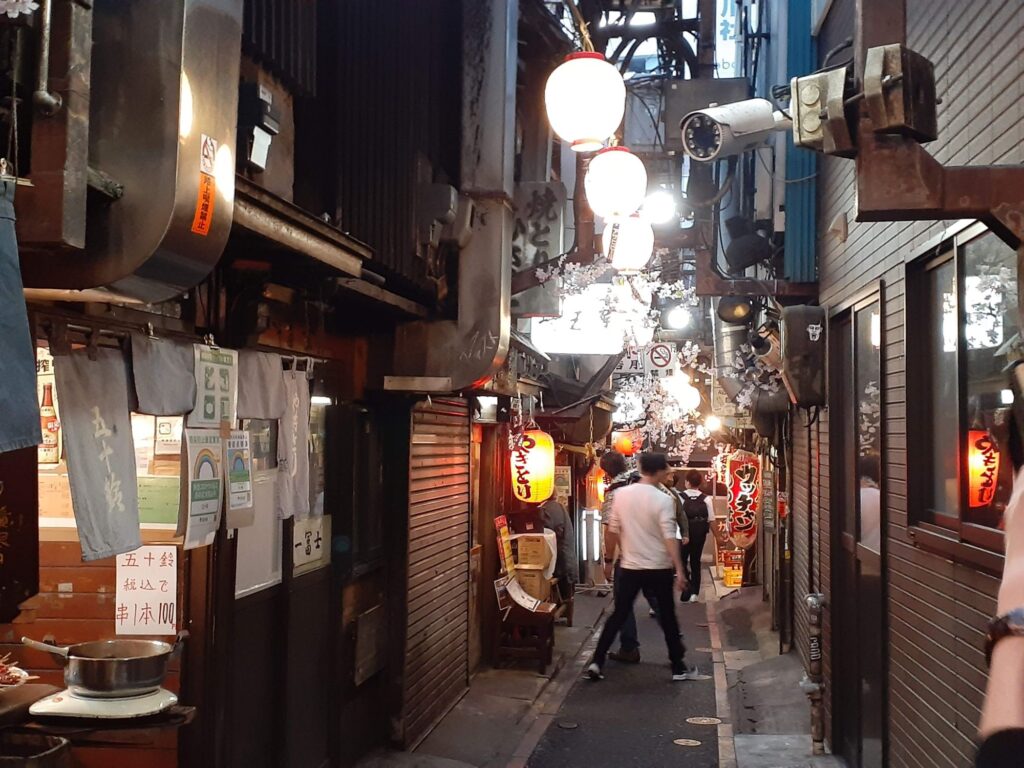
First time to Japan? This article may be helpful:
➡ First Time in Japan: Everything You Need to Know Before Visiting
The Philosophy: The Magic of Omotenashi
So, why doesn’t Japan accept tips? It comes down to a beautiful cultural concept called Omotenashi—which translates to deep, selfless hospitality.
In Japan, providing exceptional service isn’t a transactional performance designed to earn a financial bonus. It is considered the baseline standard of professional pride (Shokunin kishitsu). Whether you are dining at a high-end sushi restaurant or buying a 100-yen rice ball at a convenience store, you are entitled to the absolute best service possible.
To a Japanese worker, receiving a tip can sometimes feel uncomfortable, as if you are implying that their standard wage isn’t enough, or that their hospitality has a literal price tag. The price on the bill is the price you pay—period.
The Exception of Tradition: The Concept of “Kokorozuke”
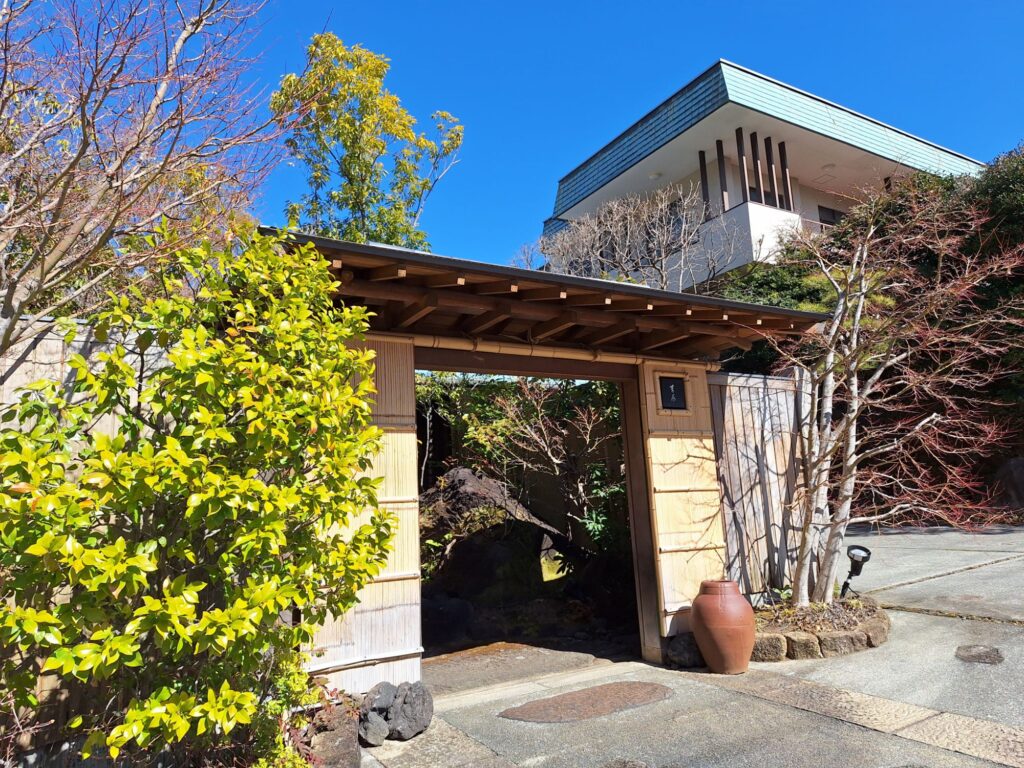
While modern tipping doesn’t exist in Japan, the country actually has its own ancient, traditional version of a gratuity called Kokorozuke (心付け).
Unlike Western tipping, which is calculated as a percentage and paid after a meal or service as a reward, Kokorozuke is a gesture of appreciation given before the service even begins. It essentially means, “Thank you in advance for taking such good care of us.”
Today, you will only encounter this custom in very specific, traditional settings—most notably at high-end, luxury Ryokans (traditional Japanese inns). If you are staying at a premium ryokan where a dedicated room attendant (Nakai-san) serves exquisite multi-course dinners directly to your room and prepares your futon, leaving a Kokorozuke is a beautiful way to show respect.
If you want to practice this tradition, there are strict cultural rules to follow:
- Never Hand Bare Cash: Handing exposed cash directly from your pocket to someone is considered somewhat uncouth in Japan. The money should be placed inside a small, paper envelope called a Pochi-bukuro (which you can buy at any convenience store or stationery shop).
- The Amount: It is usually a flat rate of 1,000 to 3,000 yen, presented discreetly with both hands at the beginning of your stay when the attendant introduces themselves to your room.
Note for Travellers: Don’t panic! In this day and age, even at luxury ryokans, Kokorozuke is completely optional. Many modern ryokans actually have strict corporate policies against staff accepting money, and they will politely decline it. If they do, a warm smile and a sincere thank you are more than enough.
Modern Exceptions: Fees, Taxis, and the Changing Landscape
While you should never physically hand cash to a worker, there are a few modern situations where you might notice an extra fee on your final bill. It’s important not to confuse these with optional tips:
The “Service Charge” (サービス料)
High-end restaurants, luxury hotels, and bars will often automatically append a 10% to 15% “service charge” to your final receipt. This is legally mandated by the venue and is entirely out of your hands.
The “Otoshi” (お通し) or Table Charge
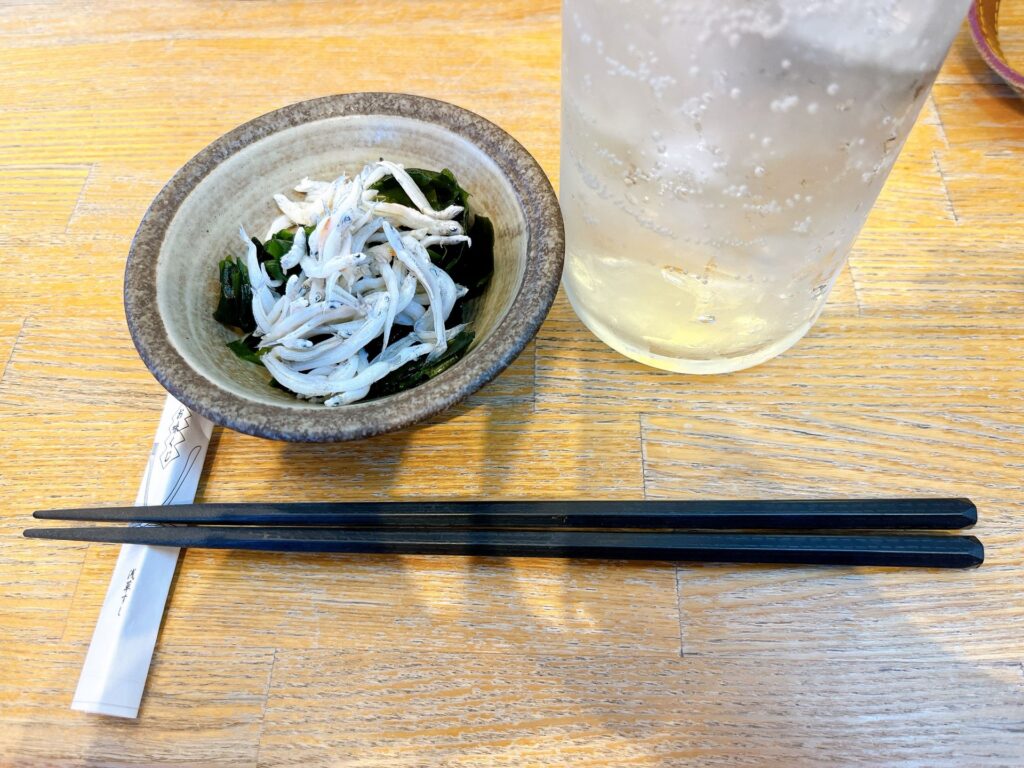
If you step into a traditional Japanese pub (Izakaya) for a late-night beer, you will instantly be served a tiny, unprompted appetizer (like seasoned edamame or a small potato salad) the moment you sit down. This is called an Otoshi, and it acts as a mandatory table cover charge (usually around 300 to 500 yen per person). Don’t panic and think the restaurant is trying to scam you—it’s a perfectly normal local custom!
The Taxi Exception: “Keep the Change” (Cash Only!)
While you should never physically hand a separate cash tip to a service worker, there is one subtle, widely accepted exception in Japan where locals do leave a tiny bit of extra money: inside a taxi.
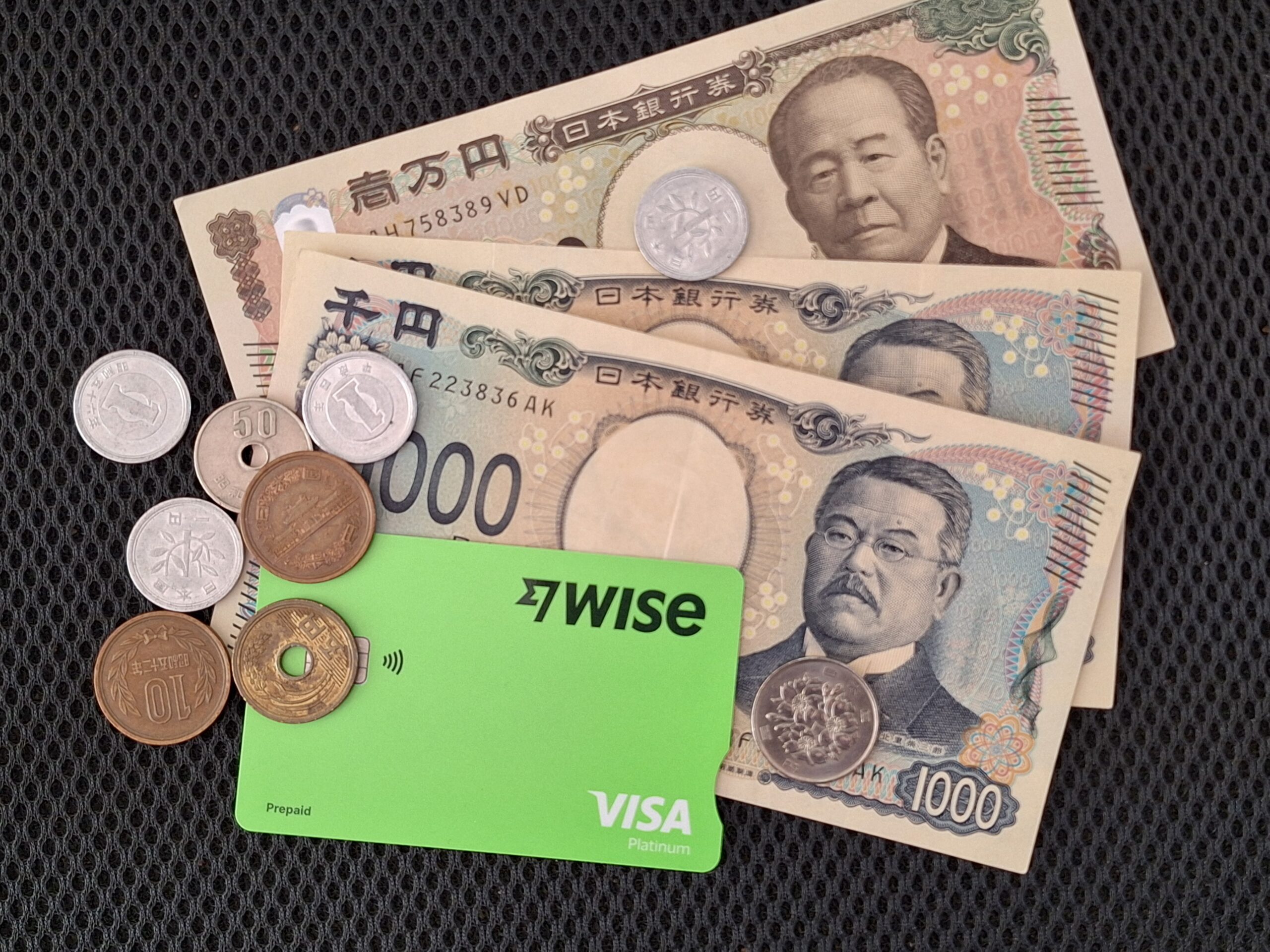
When taking a short taxi ride—say, if the fare comes to 920 yen—it is a common local custom to hand the driver a 1,000-yen bill and say, “Otsuri wa kekkou desu” (お釣りは結構です), which means “Keep the change.” Mai’s parents always do this when they take taxis.
However, there is a catch: this only works if you are paying with physical cash.
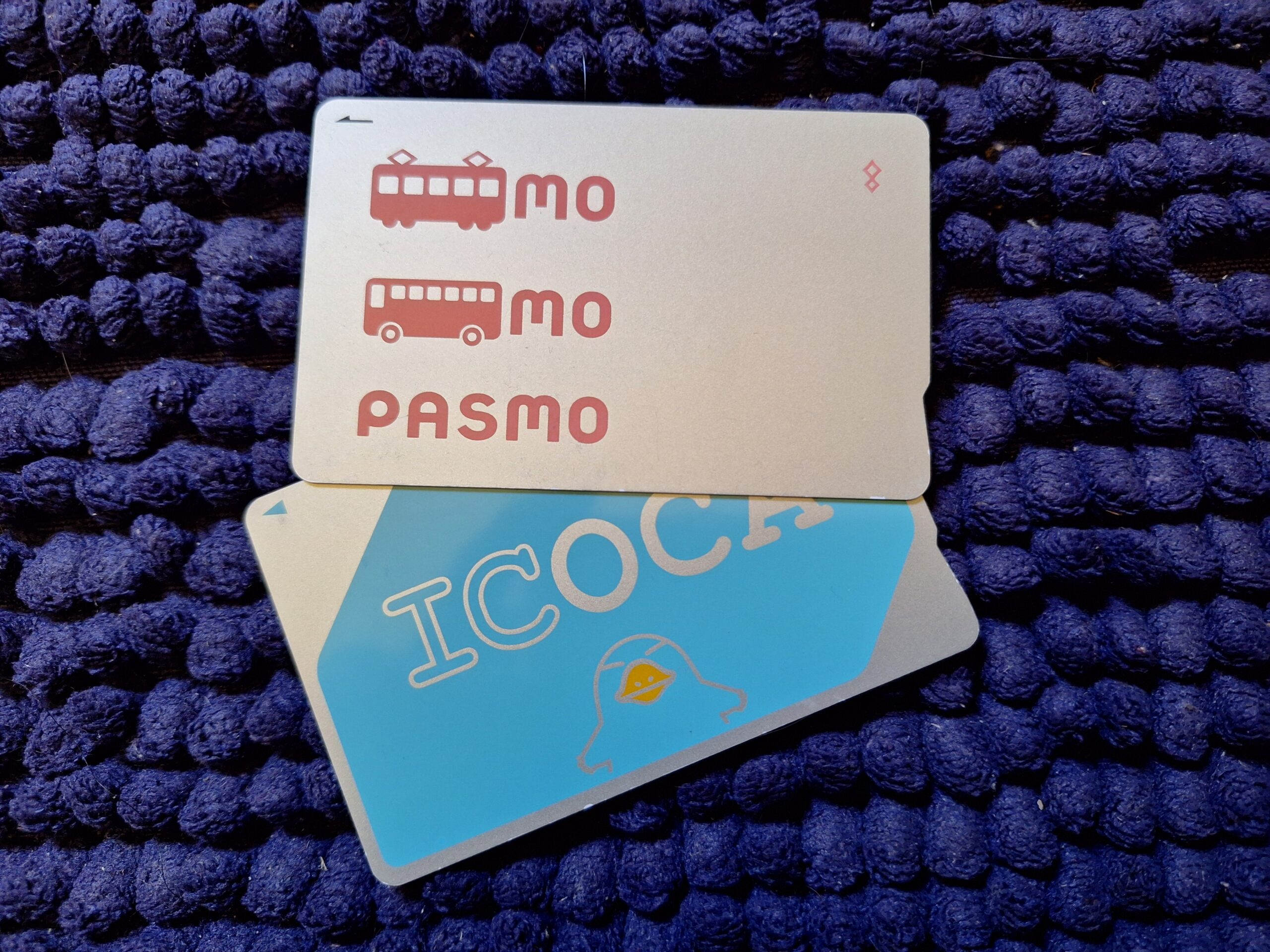
Unlike in the West, where card readers in taxis dynamically pop up with a “Select Tip Percentage” screen, Japanese card and smartphone payment terminals have absolutely no tipping function. If you pay by credit card, Apple Pay, or a digital transit card (like Suica), the machine will simply charge you the exact fare on the meter.
So, if you want to practice this elegant local gesture, make sure you have some cash handy for the ride!
So, how much cash should you actually carry around with you?
➡ How Much Cash Do I Need in Japan? (A Practical Guide)
A Note on the Changing Landscape
As Japan becomes an increasingly global travel destination, you might wonder if this no-tipping rule is evolving. In some high-end, international-standard luxury hotels, boutique ryokans, or when booking exclusive private tours, you may find that staff are becoming more accustomed to international tipping customs. In these niche, high-end segments, if a private guide or a concierge has gone truly above and beyond to personalize your experience, a discrete tip is often graciously accepted as a gesture of appreciation. However, for 95% of your interactions—in local restaurants, taxis, and shops—the old rule still stands: skip the tip, and enjoy the authentic, no-strings-attached hospitality that Japan is famous for.
Quick Tipping Cheat Sheet for Your Trip
To make things incredibly simple while you are on the road, here is the golden summary of when to keep your cash and when these rare exceptions apply:
| Situation | Tipping Required? | What to Do / The Local Rule |
| Standard Restaurants & Cafes | ❌ No | Leave nothing. They will chase you down to return your change. |
| Taxis (Paying with Card/App) | ❌ No | The machine charges the exact meter fare. No tip option exists. |
| Taxis (Paying with Cash) | 💡 Optional | Say “Otsuri wa kekkou desu” (Keep the change) to leave the small coins. |
| Traditional Luxury Ryokans | 👘 Traditional | Kokorozuke (1,000–3,000 yen) in a small paper envelope before your stay. (Entirely optional) |
| High-End Private Tour Guides | 🌐 Modern Exception | Graciously accepted if they went completely above and beyond for you. |
How to Say “Thank You” Without Cash
If you can’t leave money, how do you let your server or driver know that they did an incredible job?
As passionate advocates for “Slow Travel” and cultural mindfulness, Mai and I always prefer using the power of local language and respect. The absolute best way to show your gratitude in Japan is through your words and actions:
- Say “Gochisousama Deshita”: When leaving a restaurant, look at the staff or the chef and say, “Gochisousama deshita” (pronounced go-chee-so-sama-desh-tah). This beautiful phrase literally means, “Thank you for the wonderful feast.” Hearing a traveller say this with a genuine smile is worth far more to a local chef than a handful of yen coins.
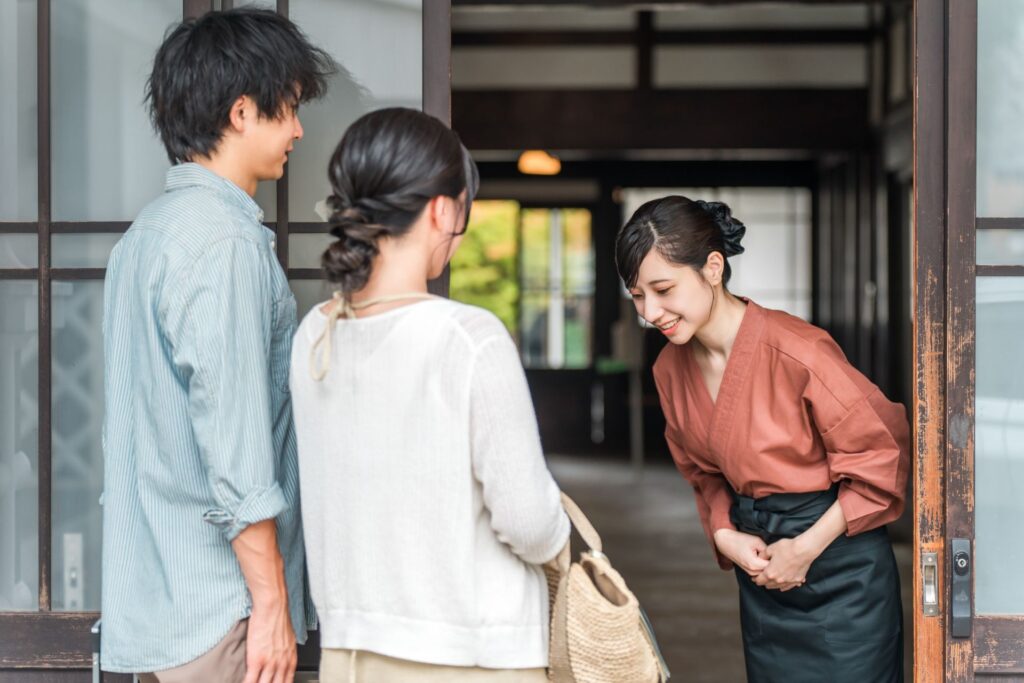
- The Polite Bow: A gentle, slight nod or bow of the head as you exit a taxi or pay at a counter communicates a profound level of mutual respect.
- Leave a Glowing Online Review: If a local guide or boutique accommodation went completely above and beyond for you, writing a thoughtful, detailed review on Google Maps or TripAdvisor mentioning their name is the best way to support their business.
Conclusion: Enjoy the Stress-Free Bill
For Western travellers used to navigating the anxiety of tipping percentages, dining out in Japan feels like an absolute vacation for your brain. When the bill arrives, the exact number you see is the exact number you pay. No hidden math, no guilt, and no anxiety.
Embrace the beauty of Omotenashi, keep your cash to yourself, and enjoy some of the finest service in the world with absolute peace of mind!
Head back to our master checklist to tackle your next big travel question:
➡ First Trip to Japan? 12 Questions that We are Frequently Asked
➡ Back to Budget Travel in Japan: Smart Money-Saving Tips & Cost Guide
Comment